
Arthritis Care For Elderly Large Dogs
Elderly large dogs often face more challenges with joint pain and stiffness than their smaller friends. Watching a big old pup struggle to get up can be tough, but there are plenty of smart ways to help them stay comfortable. Finding the right care plan for arthritis means mixing good nutrition, comfy living spaces, and the right supplements or treatments. Here’s a closer look at what really works for elderly large dogs living with arthritis pain.
Understanding Arthritis In Large Senior Dogs
Arthritis is super common in older, big breed dogs. Their size just puts extra stress on already tired joints, making bone changes and inflammation a real problem as they age. It usually starts off slow; maybe your dog is just a bit stiff after a nap, but over time, you might notice limping, trouble standing up, or reluctance to join you for walks.
Because large breeds like Labradors, German Shepherds, and Golden Retrievers carry more weight, their joints work harder daily. Years of running, jumping, and just being big add up, and cartilage in the hips, knees, and elbows can wear down. Left untreated, arthritis gets worse pretty quickly in bigger dogs. Catching pain or movement issues early makes a difference, so it’s worth keeping an eye out for little changes in how your dog moves or behaves. Early recognition of subtle symptoms, like hesitation to jump or decreased interest in usual walks, can make starting treatment more effective and give your senior pal a better quality of life.
Arthritis Pain Relief: What You Can Give Your Dog
Managing pain for older dogs is all about balancing safety and comfort. You’ve got a few options to try, but talk to your vet before starting anything:
- Non-Steroidal Anti-Inflammatory Drugs (NSAIDs): These are the most common prescription for painful joints. Medications like carprofen (Rimadyl), meloxicam, and deracoxib are made just for dogs and help ease inflammation and pain. Never use over-the-counter human NSAIDs unless your vet specifically says it’s okay—ibuprofen or naproxen are toxic to dogs.
- Pain Relievers: Gabapentin and tramadol sometimes get added for extra pain control in tough cases. They can be pretty handy for dogs that don’t respond enough to NSAIDs alone.
- Supplements (read more below): Glucosamine, chondroitin, omega 3 fatty acids, and newer joint formulas can help build up cartilage and lower inflammation, though results can take a few weeks. Some owners even notice subtle changes in their dog’s playfulness or eagerness to go outside thanks to daily supplements.
- Physical Therapies: Things like acupuncture, massage, or laser therapy are offered at many animal clinics and help some dogs get moving again with less pain. These therapies can be a gentle way to give your companion a boost and often combine well with medication routines.
If your dog seems really uncomfortable, ask your vet right away. Sometimes it takes a few different changes to really get pain under control. Adjusting the exact combination of medications, supplements, and therapies can make all the difference. Your vet will help you map out a strategy that suits your dog’s needs and health status.
The Best Ways To Support Senior Dogs With Arthritis
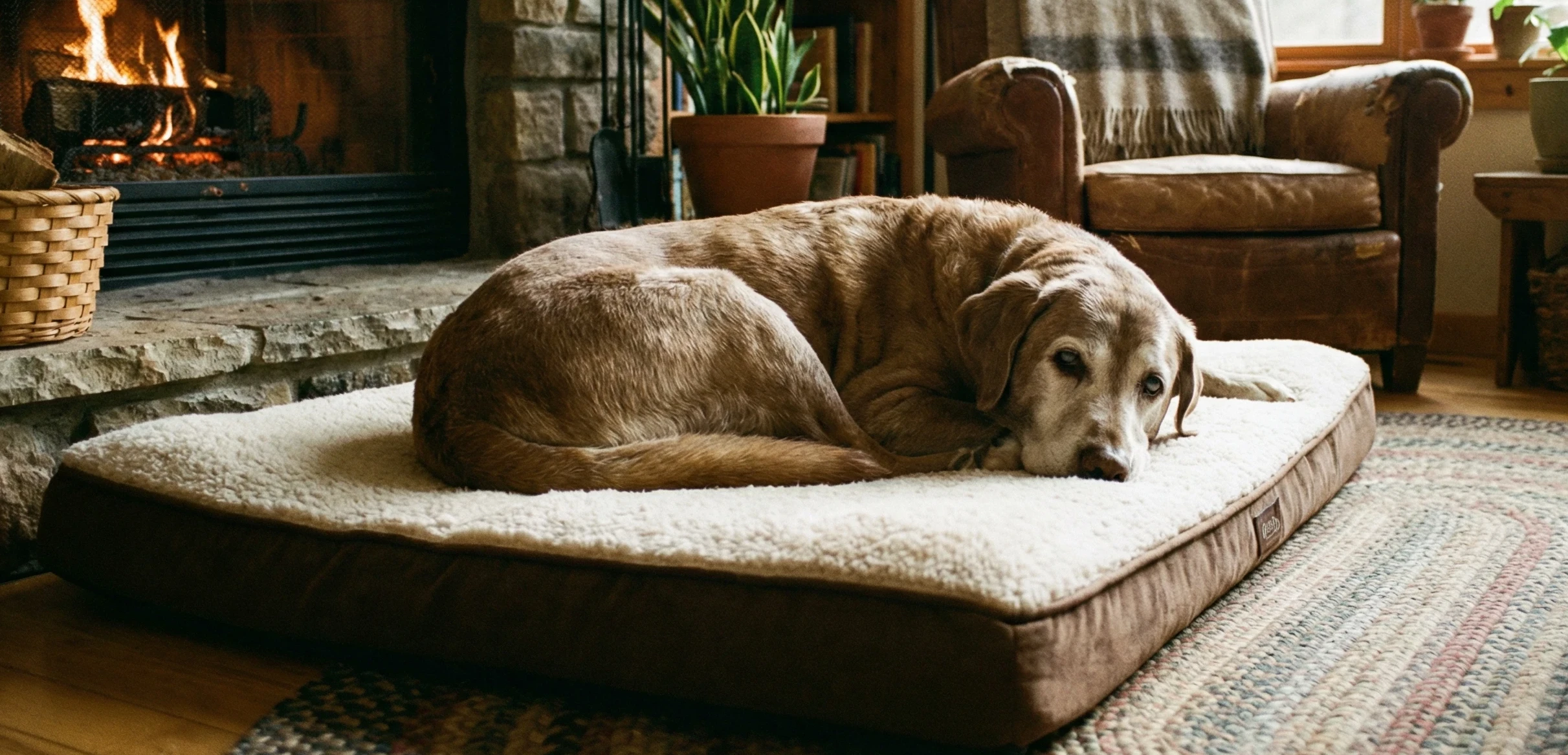
Comfort goes way beyond medication for senior dogs dealing with arthritis. Small adjustments make a big difference in daily life. Here’s what I’ve found makes dogs happier and safer at home:
- Orthopedic Dog Beds: Memory foam beds cushion sore joints so your dog can rest without pressure points. Raised edges or bolsters act as pillows for big heads.
- NonSlip Flooring: Secure rugs, mats, or carpet squares over slippery floors to help your dog stand and walk confidently, especially around food or water bowls. This will stop slips that can make sore joints feel even worse.
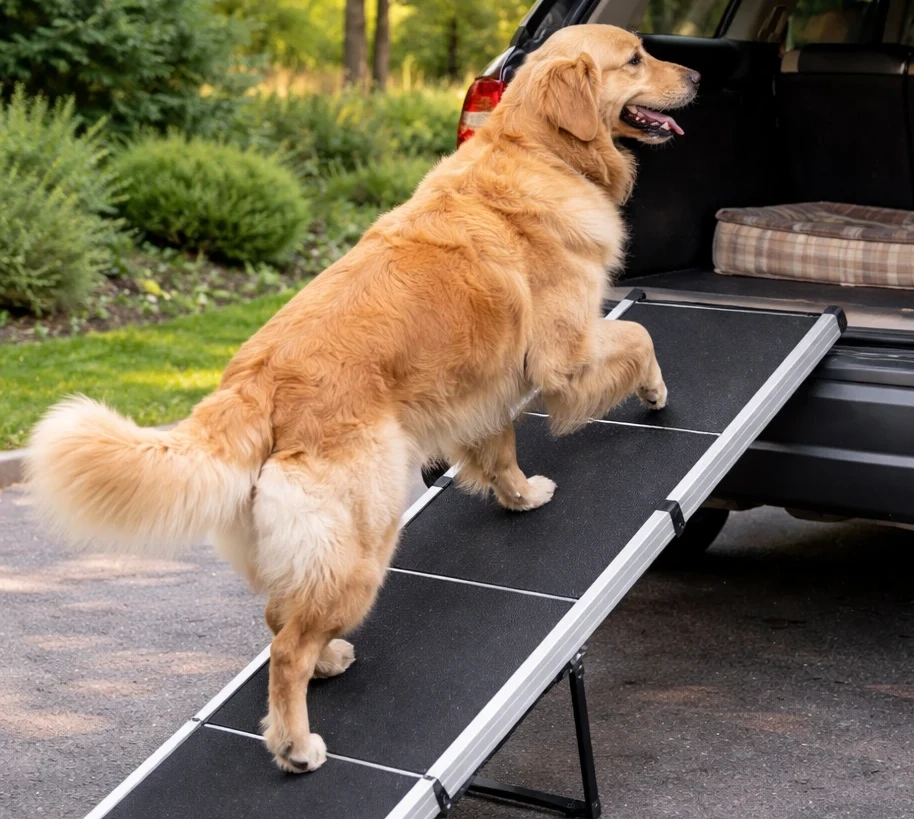
- Ramps and Steps: Even a low bed or a short couch can be tough to get onto. Ramps or stairs reduce jumping, which is really hard on aging hips and knees, and they’re also perfect for cars and taller furniture.
- Gentle Exercise: Movement helps preserve muscle and joint function, but it has to be low impact. Short, slow walks or swimming are ideal. Skip the rough play or chasing balls on hard ground; softer grass surfaces are a safer bet.
- Weight Management: Keeping your dog at a healthy weight eases the load on all joints. Sometimes even losing a little bit makes a big difference in how your dog moves and feels. Regularly weighing your dog and adjusting food portions helps you stay on track.
Adding these small touches means your old companion can move more freely around the house and join in family activities, which helps their mental health too. Giving your dog a solid daily routine also helps limit anxiousness that comes with mobility loss.
Choosing The Best Supplements For Joint Health
The best joint supplements include a mix of ingredients that support cartilage and reduce inflammation. Not every product is created equal, but I’ve seen consistent results from these key picks:
- Glucosamine and Chondroitin: These natural compounds support and repair cartilage. Most quality supplements for dogs will have both.
- Omega 3 Fatty Acids: Fish oil or krill oil helps with inflammation and may improve joint comfort over time. Stick to supplements meant for pets to avoid weird contaminants. Dogs often enjoy the flavor, so getting your pup to eat them is usually easy.
- Green Lipped Mussel: This is a newer ingredient found in some top supplements for seniors. It combines omega 3s, chondroitin, and unique proteins that support joints. Studies suggest this combination helps older dogs move easier in daily life.
- MSM (Methylsulfonylmethane): This is a source of sulfur that supports connective tissue and may improve cartilage repair in dogs with chronic arthritis.
Look for products with transparency about ingredient sources and dosages. It’s a good idea to ask your veterinarian for their favorite brands; they see firsthand what helps and can suggest appropriate doses for your individual dog. Giving the supplements with food can help with absorption and reduce stomach upset.
Tips For Improving Daily Life With Canine Arthritis
Arthritis doesn’t have to mean your big dog’s quality of life drops fast. Here’s some real world advice for making life less stressful for both of you:
- Warm, Cozy Rest Areas: Seniors like a bed that’s away from drafts, with lots of padding. Placing beds in a quiet but social spot helps your dog stay involved with family life. If you have multiple floors, keep their favorite bed near your main living area for convenience.
- Doggy Physical Therapy: Canine rehab therapists offer customized plans with stretches, massage, and gentle movement, all proven to help
- old joints stay limber. These sessions can motivate your pup and even become enjoyable bonding time.
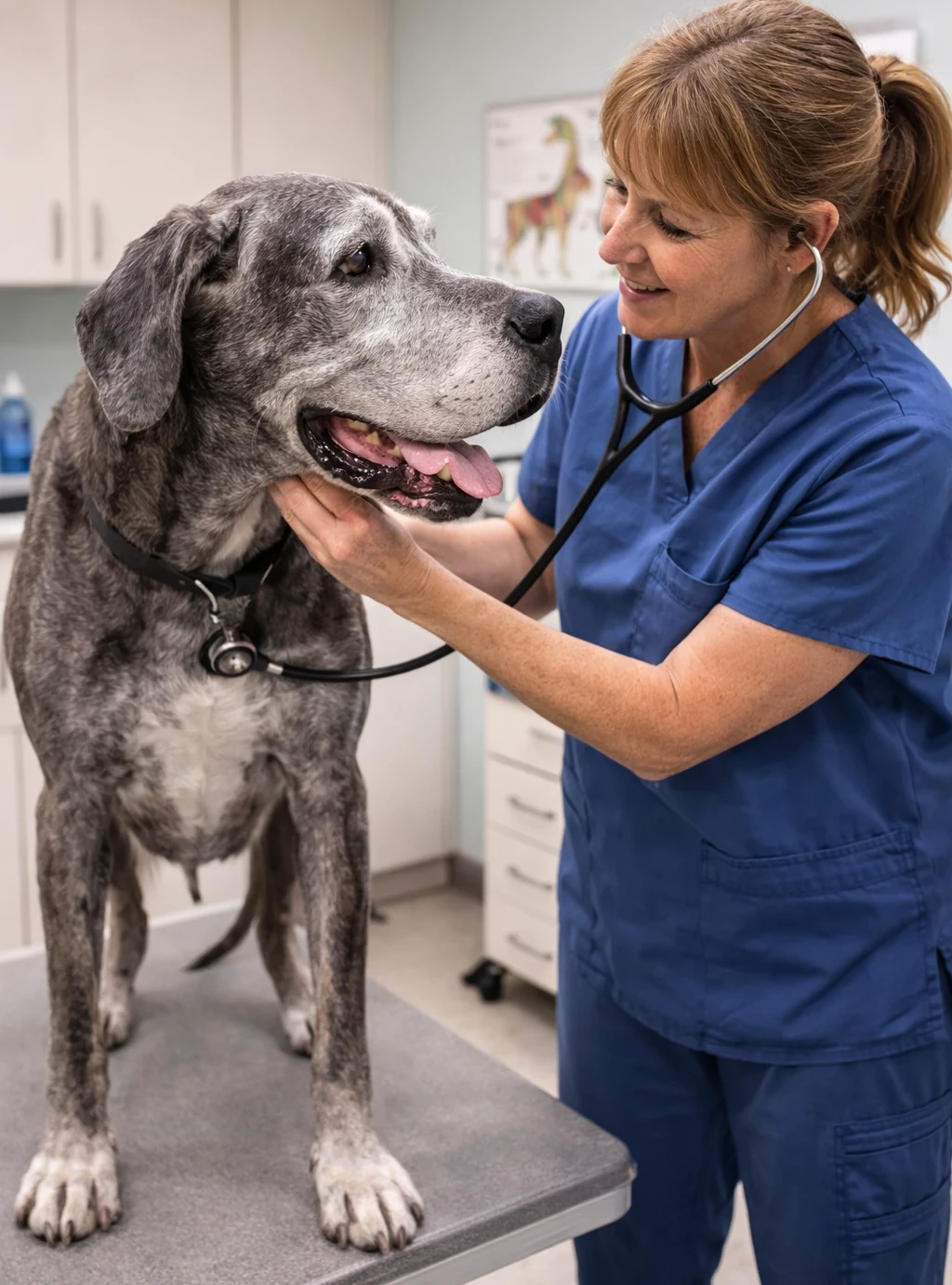
- Routine Vet Visits: Checkins every six months are super important. Your vet can adjust meds as needed and watch out for other issues that sometimes show up with senior arthritis, like kidney or heart changes from old age. A vet that knows your dog’s arthritis progression will spot problems early.
- Mobility Aids: Harnesses with handles let you help your dog up stairs or into the car, and some are made for big breeds.
Getting your elderly dog groomed regularly, trimming long paws’ fur, and keeping nails short can further ease walking and standing. Little things like these go a long way toward improving daily comfort and stability.
Life Expectancy And Outlook For Elderly Dogs With Arthritis
Many owners worry that an arthritis diagnosis means their dog won’t have much time left. The outlook is actually pretty good with proper care. Large senior dogs can often enjoy life for years with the right mix of pain management, exercise, and home adjustments.
I’ve seen some older big dogs develop arthritis as early as age six or seven, but many live well into their teens. Lifespan depends a lot on the breed, general health, and how early management starts. While arthritis isn’t curable, it’s usually not what ends a dog’s life; secondary problems like severe mobility loss, injuries from falls, or unrelated illnesses are a bigger worry. Regular monitoring keeps most pups comfy and gives you plenty of time together.
Sticking to a steady schedule with medications, exercise, and checkins lets you address problems before they grow. Family involvement helps pets stay engaged, and some folks even include gentle joint exercises as part of their daily routine, making senior years more vibrant despite stiffness.
Common Questions About Arthritis Care For Elderly Large Dogs
What can I give my dog for arthritis pain?
Veterinarian prescribed NSAIDs, like carprofen or meloxicam, are the mainstay. Supplements and therapies add another layer of support but won’t replace needed meds for severe cases. Never give your pup human painkillers unless your vet specifically says it’s safe.
What’s the best thing to do for senior dogs with arthritis?
The best care plan usually mixes tailored exercise, a comfy supportive bed, and the right supplement or medication plan. Keeping them moving, even just for gentle short walks, goes a long way. Physical or hydrotherapy is also worth checking out, especially for big breeds with weightbearing issues.
Which joint supplements really work for big senior dogs?
Look for products with glucosamine, chondroitin, omega 3 fatty acids, MSM, and green lipped mussel. Higher quality pet specific brands use doses closest to what’s backed by research. I’ve seen noticeable improvement in stiffness and comfort when families stick with these daily for a few months.
How long can an elderly dog live with arthritis?
Many senior dogs live years with arthritis, so long as they have consistent management. Regular activity, weight control, good nutrition, and veterinary oversight help older dogs stay happy longer, even with chronic joint pain.
Setting Up Your Home For An Arthritic Senior Dog
A few small home tweaks can really help big dogs as they age. Slipping and falling is risky, so covering floors with mats or carpet runners stops accidents. Bowls elevated on stands reduce neck and elbow strain compared to eating off the floor. Even limiting stairs or putting up baby gates when you can’t supervise keeps things safer.
Adding hand towels or a harness near the bed or car spot helps you give them a gentle boost. Your dog will probably appreciate having their favorite things, like toys, beds, or water, closer to where they spend most of their time. Making sure your house is well lit in the evenings, keeping toys within easy reach, and placing water bowls on every level of the home makes moving around less of a chore. These changes may seem small, but watching your buddy move around with more ease is really rewarding.
Final Thoughts
Caring for a big, elderly dog with arthritis takes some planning but pays off with more tail wags and happy days together. Whether it’s tweaking your house, adding the right supplement, or talking to your vet about better meds, every little adjustment helps. Staying involved and responsive to your dog’s changing needs will help you both enjoy those golden years. The extra effort you put in now means extra good days, soft cuddles, and more adventures with your loyal companion by your side.