Best High-Protein Dog Foods For Large Breeds
If you’ve ever stood in the pet food aisle staring at dozens of bags claiming “high protein,” you’re not alone. Choosing the best high protein dog food for large breeds takes more thought than just grabbing the first option you see. With so many formulas on the market, it can feel overwhelming to figure out what truly supports a bigger dog’s health.
Large breed dogs rely on strong nutrition to support their larger muscles, joints, and energy needs. Protein plays a critical role in keeping them active, mobile, and thriving. If you’re searching for the healthiest dog food for your large furry friend, this guide pulls together everything you need to know—from why protein matters to which foods offer the best balance for big dogs.
In This Guide, You’ll Learn:
- Why protein is essential for large breed dogs
- Which dog foods have the highest protein content
- How much protein your dog actually needs (and when it’s too much)
- The best high-protein dog food options for large breeds
- Key ingredients to look for—and what to avoid
Why Protein Matters for Large Breed Dogs
Protein provides the building blocks for strong muscles, tendons, organs, and a healthy immune system. Because large breed dogs naturally have heavier frames and more muscle mass, getting the right amount of protein in their daily diet is especially important.
Quality matters just as much as quantity. Real meat, poultry, or fish should always be at the top of the ingredient list. These animal-based proteins supply essential amino acids that dogs can absorb and use efficiently. Without enough high-quality protein, large breeds may experience muscle loss, low energy, joint strain, and a dull coat.
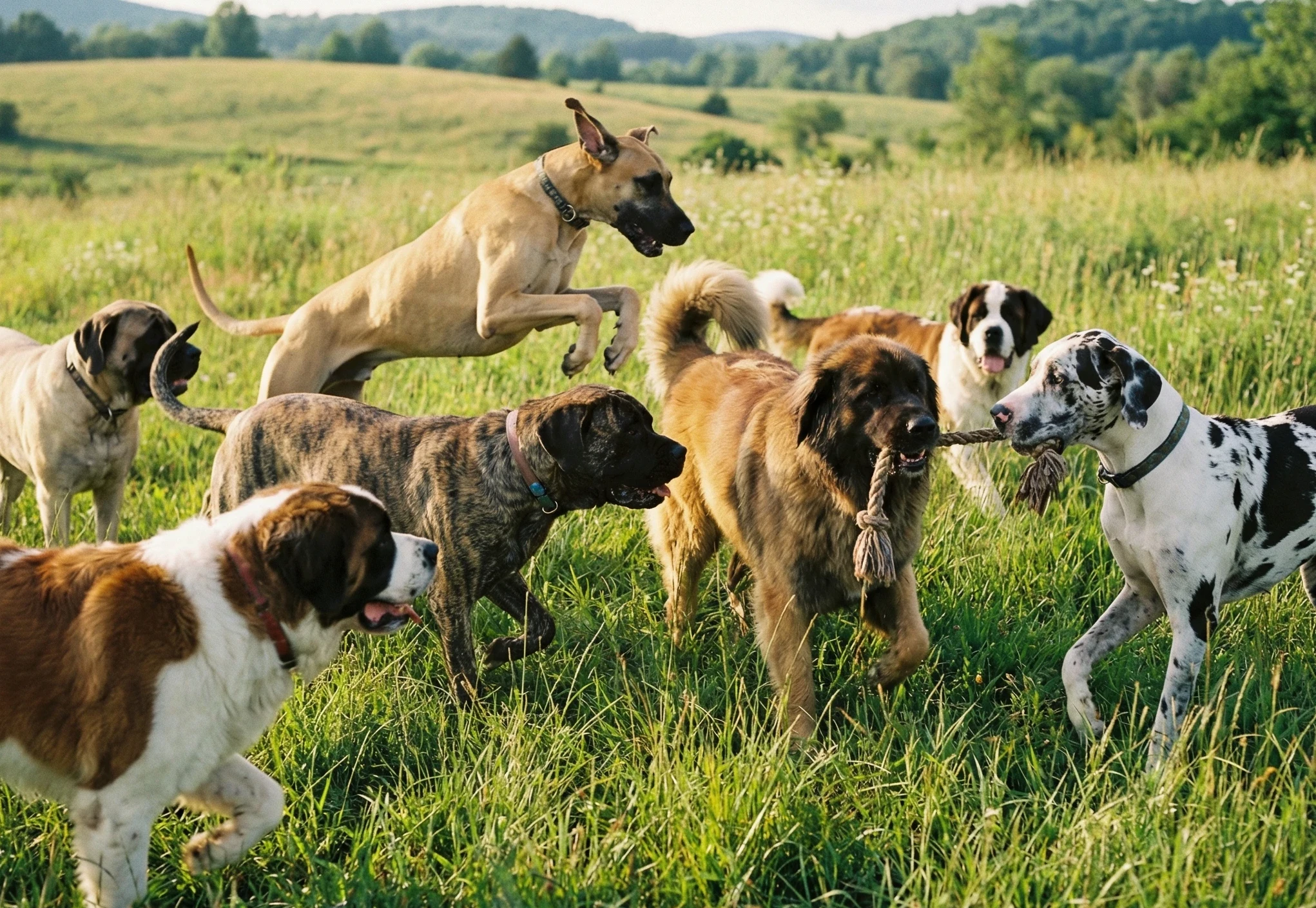
From my own experience, feeding a high protein diet has made a noticeable difference in my large dogs. They stay more active, maintain better muscle tone, and seem happier and more youthful—even as they age.
The Healthiest High Protein Dog Food for Large Breeds
After researching multiple brands, reviewing ingredient lists, and reading feedback from veterinarians and dog owners, Orijen Large Breed Adult consistently stands out as one of the healthiest high protein dog foods for large breeds.
Orijen lists fresh chicken, turkey, and fish as its primary ingredients and delivers one of the highest protein levels on the market—around 38%. The formula avoids fillers like corn, wheat, and soy, instead focusing on whole animal ingredients and naturally sourced vitamins and minerals.
What I appreciate most is Orijen’s transparent sourcing and emphasis on biologically appropriate nutrition. While it does come at a higher price point, I’ve personally seen benefits like a shinier coat, steady energy, and improved muscle condition since making the switch.
That said, no single food works for every dog. The best option will always depend on your dog’s age, activity level, and any sensitivities they may have.
Which Dog Food Has the Highest Protein? Why That’s Important
Orijen ranks among the highest protein dog foods available, with several formulas reaching 38% protein or more. Other quality brands such as Acana and Taste of the Wild typically offer protein levels between 32% and 36%.
 High protein dog foods rely on animal proteins rather than plant-based fillers or synthetic amino acids. This provides more complete nutrition and better supports lean muscle mass, joint health, and endurance—especially for large, active dogs that run, hike, or play frequently.
For large breed puppies, protein is equally important, but balance is key. Growth formulas should also maintain the correct calcium-to-phosphorus ratio to support bone development without putting unnecessary stress on joints.
How Much Protein Is Too Much for Dogs?
While protein is essential, more isn’t always better. Most dogs with healthy kidneys can tolerate high protein diets, but excessive protein without adequate exercise can contribute to weight gain.
For most large breed adult dogs, foods containing 24% to 38% protein are considered healthy, depending on age and activity level. Veterinarians generally recommend keeping protein below 40% unless your dog is extremely active, working, or involved in canine sports.
A good rule of thumb: for most large breed dogs, the sweet spot is high-quality protein in the 30–36% range, paired with proper portion control and regular exercise. Always consult your vet before making major dietary changes, especially if your dog has existing health conditions.
Popular High Protein Dog Food Brands for Large Breeds
- Orijen Large Breed Adult – Features regional meat, poultry, and fish with around 38% protein. Ideal for active, big dogs.
- Blue Buffalo Wilderness High Protein Adult Large Breed – Chicken or salmon based, about 30% protein, and no byproduct meals.
- Wellness CORE Grainfree Large Breed – Turkey and chicken, over 34% protein, plus glucosamine for joint health.
- Taste of the Wild High Prairie – Bison and venison based formula with about 32% protein and added probiotics.
All of these brands prioritize real meat as the first ingredient and avoid low-quality fillers. Make sure to read the labels and pick what fits your dog’s tastes and sensitivities.
Key Features to Look For in High Protein Dog Food for Large Breeds
- Animal Protein First: Real meat, poultry, or fish should be the number one ingredient
- Moderate Fat Levels: Match fat content to your dog’s energy needs
- Joint Support: Look for glucosamine, chondroitin, and omega-3s
- No Cheap Fillers: Avoid foods heavy in corn, soy, or byproducts
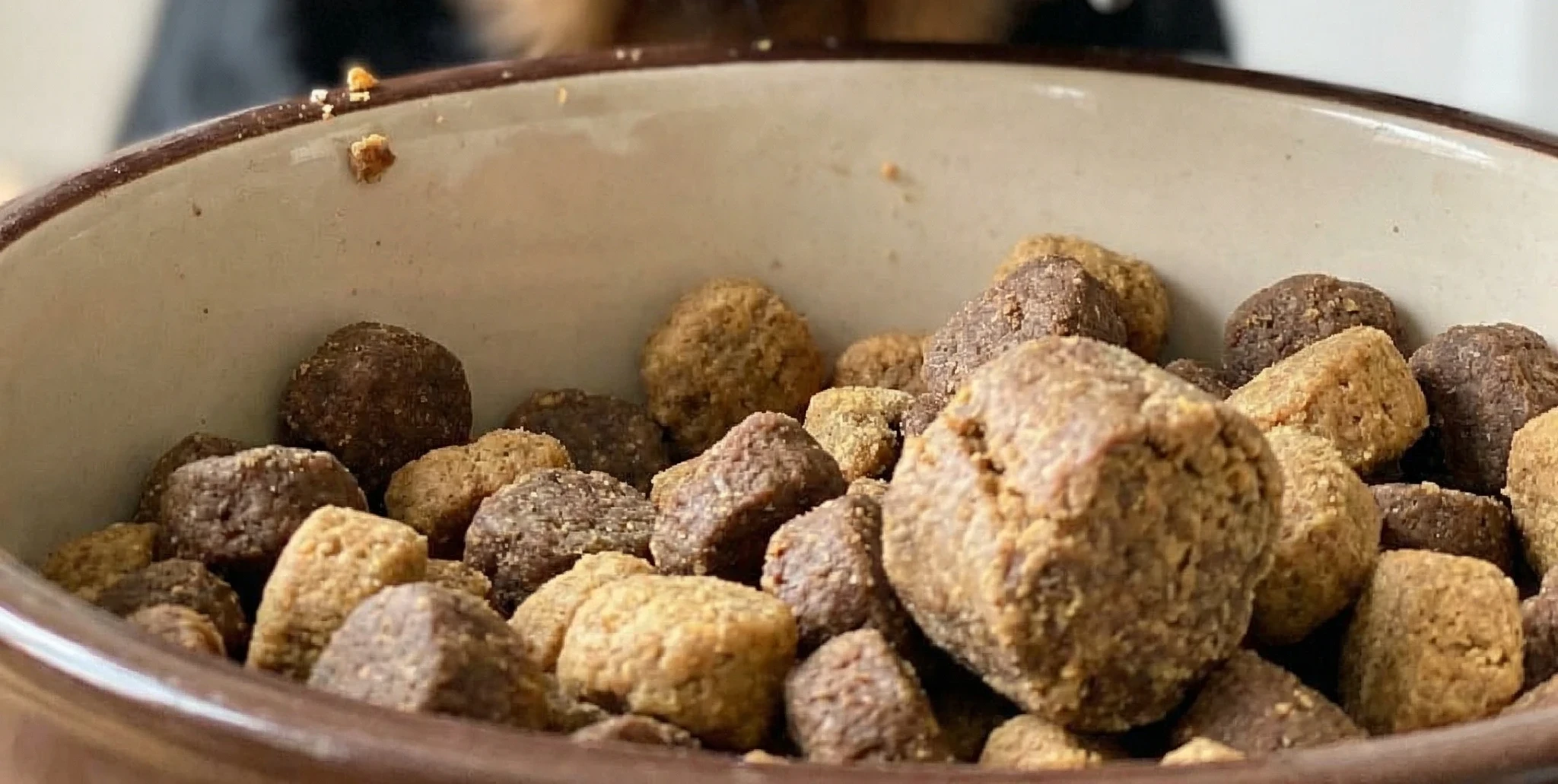
- Large Kibble Size: Helps slow eating and supports dental health
Is High Protein Dog Food Right for Your Large Breed?
Every dog is unique, but high protein dog food works well for most large breed adults and puppies when it’s properly balanced. The key is choosing a formula that fits your dog’s life stage, health needs, and activity level.
From my experience, feeding large breeds real protein, serving appropriate portions, and maintaining regular exercise creates the foundation for a healthier, longer life.
Have you found a high protein dog food that works well for your large breed? Share your experience in the comments—your insight could help another dog owner make the right choice.