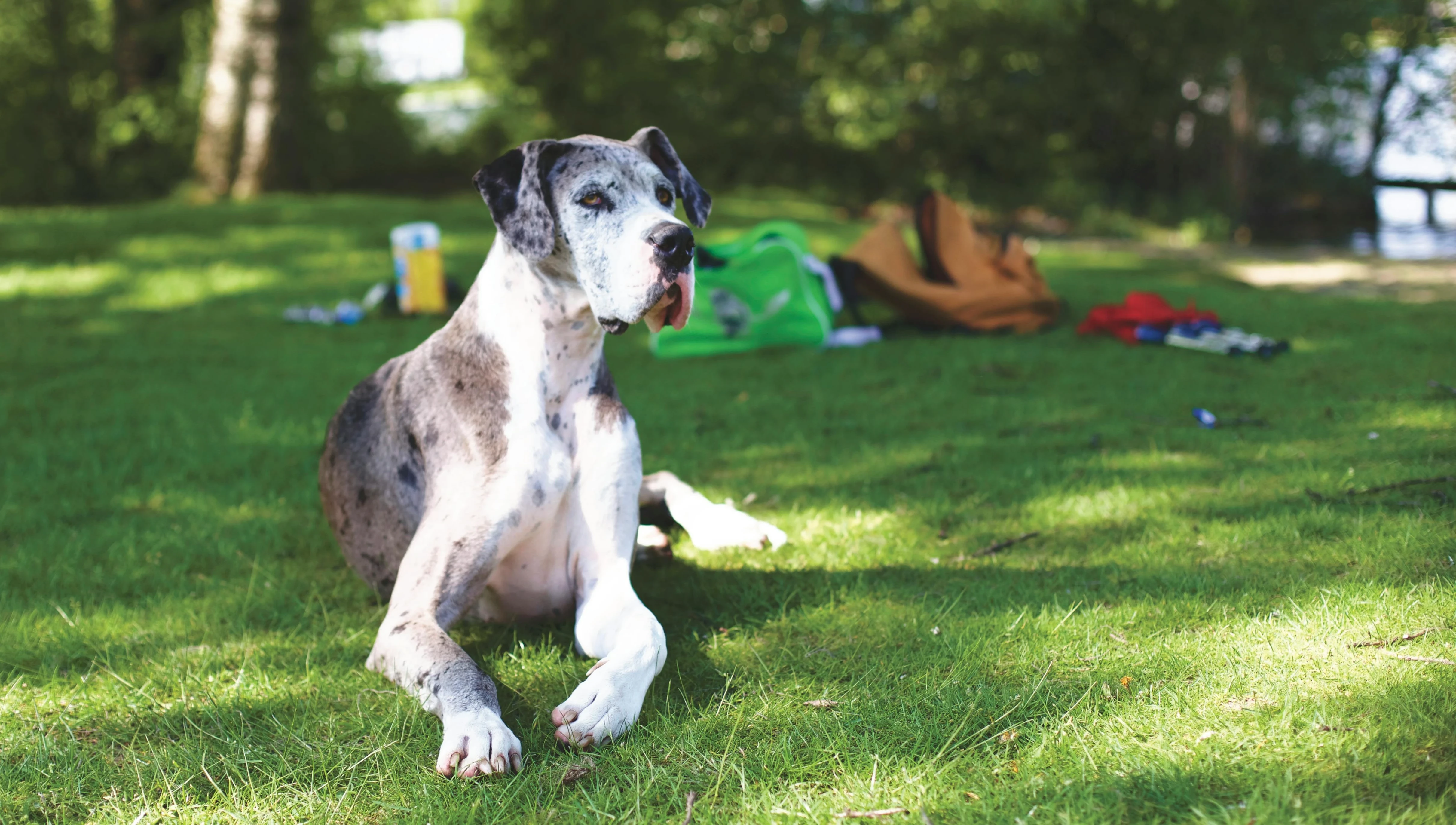
Training Large Dogs For Beginners
If you’ve just brought home a big, goofy dog or have your eyes set on adopting one, you’re definitely not alone. Large dogs are lovable, loyal, and make awesome companions, but getting started on training can feel a bit intimidating, especially if you’re totally new to this. I’ve spent quite a bit of time working with big pups and learning what really helps turn those clumsy first months into something you’ll actually enjoy instead of dread. Here I’m pulling together my most useful advice and all the things I wish I knew when I started training large dogs myself.
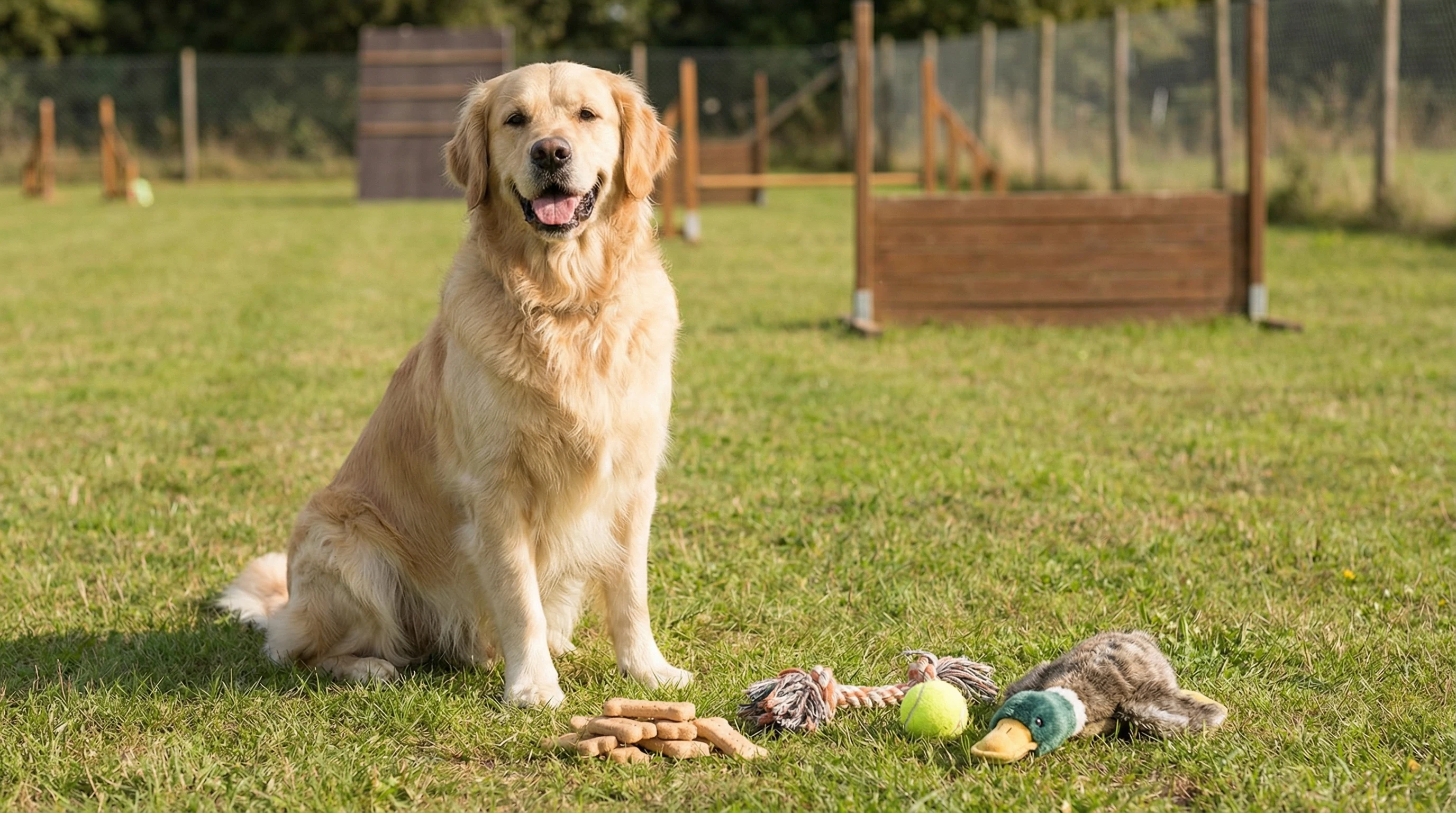
Understanding Large Dog Training Basics
Large breeds aren’t just big in size. They usually have big energy, big personalities, and sometimes big stubborn streaks. Even though the core ideas are the same as with any dog, their strength and possible independence mean you’ll want some extra tricks and solid strategies under your belt.
When you start with the basics, you set your dog up for a happy, well-mannered life. Consistency, patience, and the right approach make a bigger difference than most fancy tools or popular techniques. Here’s what’s really worth knowing up front:
- Start Early: Puppies learn quickly, but it’s never too late—even adult large dogs can pick up new skills!
- Positive Reinforcement: Rewards, praise, and treats go a long way. Big dogs love knowing they did a good job.
- Short Sessions: Training in bursts of 5–10 minutes helps keep your dog’s attention and prevents frustration for both of you.
- Focus on Foundations: Sit, stay, come, and loose leash walking are basics that make everything else easier.
- Socialization: Getting out and experiencing new faces, places, and dogs is really important, especially for big breeds.
Strength is part of the package with large breeds, so good manners early on help stop any trouble later. For example, pulling people down the street or jumping on guests. Getting these basics down is your first big win.
Practical Steps for Getting Started with Your Big Dog
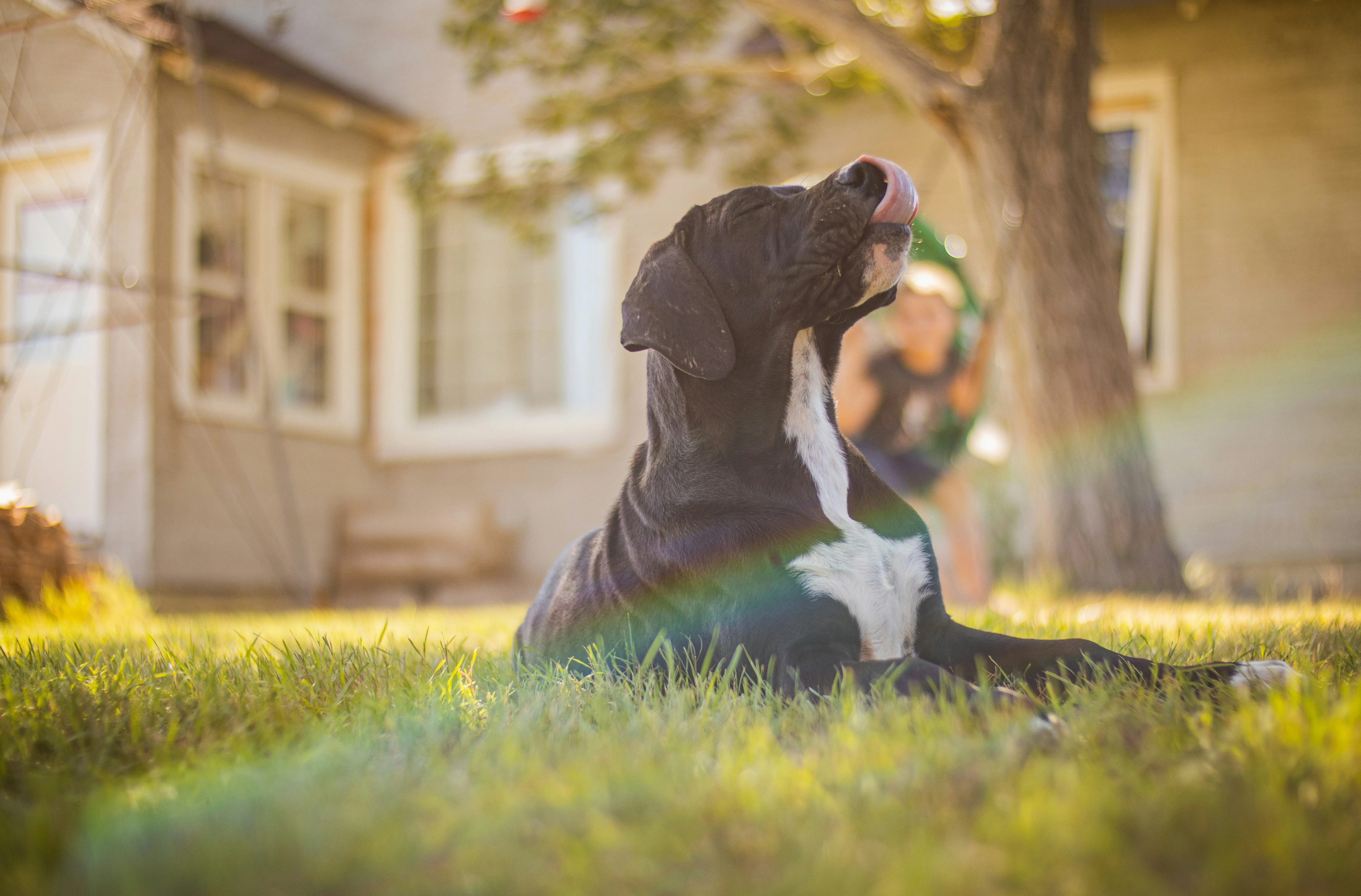 Before jumping in, grab a sturdy leash, a proper flat collar or harness, and a pocket full of yummy treats. Here are a few easy-to-follow steps to set up your first successful sessions:
- Pick the Right Time: Choose a moment when your dog isn’t bouncing off the walls or distracted by every sound. After a walk or some playtime is usually perfect.
- Set the Scene: Start in a quiet space with minimal distractions. Your living room, yard, or even an empty park can work well.
- Decide on Your Cues: Pick simple words for commands (like “sit,” “down,” or “come”) and stick with them.
- Use Food Motivation: Most large breeds work especially well for treats. Start with small but high-value snacks to grab their attention.
- Practice and Repeat: A few consistent, short sessions each day give way better results than cramming everything in on weekends.
Big dogs respond best when they understand exactly what you want, so clear, simple instructions and repeat practice help them “get it” faster. Keeping things positive shows your dog that training is just another fun activity instead of a boring task.
Common Challenges and How to Handle Them
Training a large dog definitely comes with a handful of struggles, but none of them are dealbreakers with some patience and the right approach. Here are a few common problems and practical solutions that have worked for me:
- Pulling on the Leash: This is the classic big dog frustration. Try a front clip harness paired with rewarding calm walking right by your side. Every time your dog gets ahead, stop immediately, call them back, and reward when they walk next to you. It may take a while, but it’s worth every step.
- Jumping on People: Large dogs can (accidentally) knock people over by being too enthusiastic. Teach “off” or “sit” whenever someone approaches, and reward calm greetings. Ask friends to help and stay consistent; jumping only gets attention if you allow it.
- Socialization Issues: Some large breeds get nervous or overexcited in public. Start with low-key outings and increase the intensity gradually. Bring treats, invite calm dog friends, and take a step back from the action if your dog looks overwhelmed.
- Stubbornness: Smart, independent dogs need clear leadership. If your pup seems uninterested, use tastier rewards, more exciting toys, or try training games to mix things up and keep it fun.
If you stick it out and keep trying, most big dog issues improve pretty quickly. Don’t be discouraged if your dog isn’t perfect from day one. Every big step forward starts with small moments of progress.
Answers to Your Top Large Dog Training Questions
What are your most useful dog training tips for beginners?
Start with simple routines, focus on a few core behaviors, and always reward the smallest steps in the right direction. Use food, toys, and lots of happy praise. Be consistent with your commands, and don’t get frustrated if it takes time. A tired dog learns better, so make sure they get some exercise before you train.
How to train a large dog with pulling and socialization issues?
Work on leash skills with a harness or head collar, rewarding your dog for staying by your side. If they lunge, freeze in place and only move forward once your dog comes back and focuses on you. For socialization, gradually expose your dog to new people and pets. Go slow, bring treats, and keep things positive. A good tip is enrolling in a group class for big dogs, which is great for practice and safe exposure.
What is the 3 3 3 rule for dog training?
The 3 3 3 rule is a guideline for what to expect after adopting a dog: three days to decompress, three weeks to start learning routines, and three months to feel totally at home. This helps you have realistic expectations and plenty of patience at the start. Each dog is different, but this rule holds up pretty well in my experience.
What is the easiest large breed dog to train?
Labrador Retrievers top the list for trainability. They’re eager to please, love food, and handle new situations well. Golden Retrievers and Standard Poodles are also good options for first timers. Of course, every dog is unique, so breed is just one piece of the puzzle.
What is the 7 7 7 rule for dogs?
This rule is about introducing dogs to 7 new experiences by the time they’re 7 months old, and then repeating 7 times. It might be 7 new surfaces, sounds, people, places, and so on. It helps big dogs become confident and less fearful in new environments, which goes a long way to good manners.
What is the 10 10 10 rule for dogs?
The 10 10 10 rule is more of a memory aid for recall training; reward your dog within 10 seconds, practice recalls at least 10 times per session, and repeat for 10 days straight. This pattern can cement the “come” command, which is especially useful with large breeds that need to listen quickly in a pinch.
What is the hardest command to teach a dog?
For most dogs (especially those with big, independent personalities), “stay” is the trickiest to teach reliably. It requires impulse control and patience. Two things that aren’t always natural for big pups. Start with just a second or two, reward often, and very slowly build up how long your dog stays.
What is the 7 second rule for dogs?
This rule is usually about safely checking surfaces for heat or cold before your dog walks on them. If you can’t hold your hand on the ground for 7 seconds, it’s too hot (or cold) for your dog’s paws. Large breeds sometimes get less sensitive feet, so this rule helps keep their paws in good shape during walks.
Key Things to Think About Before Training Your Large Dog
Every big dog is a little different, but thinking about these practical factors can help you dodge trouble and enjoy the process more:
- Space Requirements: Training large breeds is easier if you have access to a roomy yard, open park, or at least a hallway where you’re not cramped for space.
- Durable Equipment: Cheap leashes and collars probably won’t hold up to big dog strength. Invest in solid gear for safety and peace of mind.
- Schedule: Walks, training sessions, and mental stimulation are even more important for large dogs with lots of energy. Set aside time daily for both exercise and training practice.
- Safety First: Big dogs can unintentionally run into kids or knock things over. Teach “wait,” “leave it,” and “back up” as early habits for smoother living at home.
- Professional Help: There’s no shame in booking a few sessions with a legit trainer or enrolling in big dog group classes. Having backup and guidance makes it all less overwhelming, especially for firsttimers.
Space and Environment
I find it’s way easier to teach a big dog when you’re not squeezed into a tiny space. Practicing indoors is fine for calm things like sit and down, but leash manners, recall, and socialization need bigger, more varied environments. Check out where in your city or neighborhood is suitable for you, like quiet corners of local parks, wide-open green spaces, or low-traffic early mornings on walking trails. If you live in an apartment, consider communal gardens or dedicated pet-friendly training groups to make it easy for your large pup to stretch out and learn.
Equipment Smarts
Harnesses with padding, long training leads, and strong chewproof toys are worth their weight in gold. Some large breeds, like huskies or shepherds, benefit a lot from nopull or head harnesses during the early stages. Don’t forget about treat pouches for easy access and safe water bowls that won’t tip over easily. The right tools make training more effective, and ensure both comfort and safety while you’re outside or in crowded spaces.
Time and Energy Commitment
Big dogs don’t just need long walks; they need mental work too. Mix in games like hide and seek, food puzzles, and scent work. For example, scatter their kibble in the yard or use a snuffle mat indoors. Training is a good way to tire them out, strengthen your bond, and prevent boredom-driven behaviors like chewing, digging, or barking at the window.
Planning dedicated “brain games” means your dog gets tired in a good way, not just physically but mentally too. Making use of toys that require problem solving or slow feeders adds to their day’s excitement and keeps things positive, especially on rainy days when outside time is limited.
Making Progress with Advanced Strategies
Once your dog has the basics down, try mixing in these strategies to keep making progress (and keep things interesting for you too):
Train with Distractions: Practice commands at the park, on sidewalks, or with guests around to help your dog learn to focus anywhere. Start simple, then gradually add more distractions like other dogs, cyclists, or new noises. With each success, your dog builds confidence and reliability.
Impulse Control Games: Teach “wait,” “leave it,” and “stay” with lots of rewards for calm, patient behavior. I like to turn these into little games; make your dog sit and wait before every meal or toy toss. These habits help reduce excitement that can lead to jumping, barking, or pulling on leash.
New Experiences: Load up on car rides, walks in new neighborhoods, visits to petfriendly stores, or hikes. Big dogs that regularly see the world are less likely to develop fears or overthetop excitement later. Random excursions help socialize your dog and let them get used to novel situations—dogs that are exposed to more tend to adapt better as adults.
Clicker Training: Using a clicker gives clear, instant feedback, which makes it easier for your big dog to know exactly what’s right. Click and treat when your dog does something awesome, and soon they’ll build positive habits and listen faster, even around new distractions.
Advanced Tricks: Once basic manners are solid, challenge your dog with more fun tasks like rolling over, putting away their toys, or responding to hand signals. These higher-level skills keep both of you entertained and reinforce the communication you’ve worked so hard to build.
Practical Scenarios Where Good Training Really Counts
I’ve seen firsthand how even a few weeks of consistent training can change the game. For example, my own extra large pup learned to stay calm on walks by practicing “look at me” in distracting places. Another dog I fostered went from jumping up on everyone to calmly greeting strangers, just by sticking with routine practice and rewarding calm behavior every time.
- Vet Visits: Teaching your big dog to “stand” or “hold still” makes checkups way less stressful. Practice at home with short sessions, pairing calm standing with treats, so your dog gets used to being handled when it matters most.
- Outdoor Cafes: Having a reliable “down” command means you can relax while your dog chills beside you outside. Bring a mat or blanket so your big buddy knows where to settle, helping everyone enjoy the outing.
- Family Gatherings: A welltrained big dog that doesn’t jump or steal food makes holidays fun for everyone. Advanced skills like “stay,” “place,” or going to their bed come in handy for group events and help you stay stressfree during celebrations.
Training isn’t about having a perfectly behaved dog; it’s about making your life together better and building trust on both sides. Each bit of progress makes daily routines and special outings easier, whether you’re heading to the vet, welcoming guests, or relaxing at home as a team.
Frequently Asked Questions
Q: What if my large dog just isn’t food motivated?
A: Try different rewards like special toys, games of tug, or even a few minutes offleash time if safe. Figure out what your dog really enjoys, and use that as your reward. Some dogs love affection, while others work for playtime, so don’t be afraid to mix up your approach.
Q: My dog seems scared of new things. How can I help?
A: Start slow, don’t force new experiences, and always bring treats. Let your dog observe at a distance and approach things in their own time. Lots of positive reinforcement goes a long way. Gradually build up to more challenging environments once they get comfortable with the basics.
Q: Can older large breed dogs still learn new tricks?
A: Absolutely! It might take a bit longer, but with patience and plenty of positive moments, older dogs can learn just as much as youngsters. Adjust expectations to their energy and comfort level. Focus on incremental improvements, and remember to celebrate every victory.
Q: Are certain commands more important for big dogs?
A: Yes. “come,” “leave it,” and reliable leash walking matter a lot for large breeds. Even basic manners like “wait” and “off” help manage their size safely. These essentials smooth the way for a happy life with a friendly, polite dog by your side.
Bringing It All Together
Training large dogs as a beginner isn’t always a straight path, but it’s definitely one of the most rewarding things I’ve done. Celebrate little wins, keep your expectations realistic, and don’t be shy about asking for help if you need it. Big breeds are smart, loving, and totally worth the extra bit of work it takes to help them fit right into your life.
It doesn’t matter if you’re bringing home a puppy or an older rescue. Good training is a gift for both you and your dog. Enjoy every goofy, tail wagging step along the way. With patience and the right mindset, your big dog will soon be your favorite training partner—and best friend for every eye-catching outing.